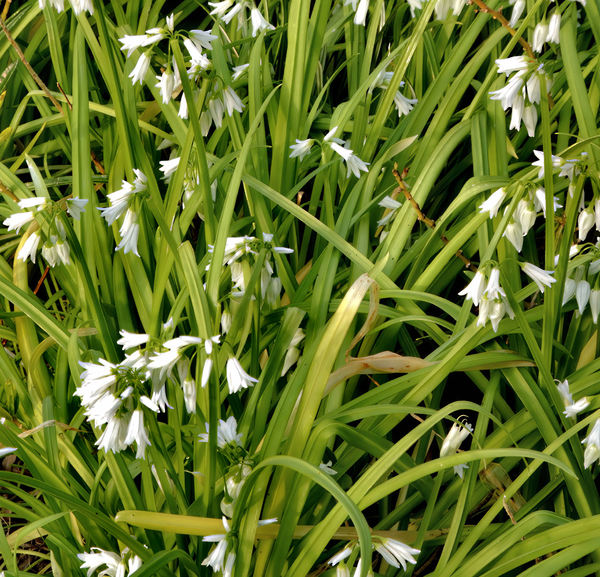
Edible flowers have been a part of culinary traditions across the globe for centuries, celebrated not only for their beauty but also for their unique flavors and health benefits. From the vibrant petals of nasturtiums to the delicate blossoms of chamomile, these natural ingredients offer a creative way to enhance dishes, beverages, and even desserts. In this article, we will explore the history, types, uses, and nutritional benefits of edible flowers, as well as tips for cultivating and harvesting them.
A Brief History of Edible Flowers
The use of flowers in cooking dates back to ancient civilizations. The Romans and Greeks were known to incorporate flowers into their meals, often using them in salads and as garnishes. In the Middle Ages, flowers such as violets and roses were used in European cuisine, not only for their flavor but also for their medicinal properties. The culinary use of flowers saw a resurgence in the 1960s and 1970s, when chefs began to explore new ways to incorporate fresh, seasonal ingredients into their dishes. Today, edible flowers are gaining popularity in modern gastronomy, as chefs and home cooks alike seek to elevate their culinary creations with vibrant colors and flavors.
Types of Edible Flowers
There is a wide variety of edible flowers, each with its own unique taste and culinary applications. Here are some of the most popular edible flowers:
- Nasturtium: Known for its peppery flavor, nasturtiums come in a range of colors from bright orange to deep red. Both the leaves and flowers are edible, making them a beautiful addition to salads, sandwiches, and as garnishes.
- Pansy: These cheerful flowers have a mild, sweet flavor and come in a rainbow of colors. Pansies can be used to decorate desserts, salads, or frozen in ice cubes for a stunning presentation.
- Chive Blossoms: The purple blossoms of the chive plant have a mild onion flavor and can be used to add a pop of color to salads, soups, and dips.
- Hibiscus: Known for its tart and fruity flavor, hibiscus flowers are often used to make teas and syrups. They can also be used in salads or as a garnish for cocktails.
- Calendula: Often referred to as "pot marigold," calendula flowers have a slightly peppery taste and can be used in salads, soups, or as a natural coloring agent in dishes.
- Lavender: With its fragrant aroma and sweet flavor, lavender is commonly used in desserts, teas, and even savory dishes. Its delicate purple flowers can add a unique twist to baked goods and infused oils.
- Rose: The petals of certain rose varieties are edible and can add a sweet, floral flavor to dishes. They are often used in desserts, jams, and as garnishes.
- Borage: These star-shaped blue flowers have a cucumber-like flavor and can be used in salads, cocktails, or as a garnish for various dishes.
- Squash Blossoms: The delicate yellow flowers of zucchini and other squash plants are prized for their mild flavor and can be stuffed, battered, and fried or used in soups and salads.
- Elderflower: The tiny white flowers of the elderberry tree are fragrant and sweet, making them perfect for syrups, cordials, and desserts.
Culinary Uses of Edible Flowers
Edible flowers can be used in a variety of culinary applications, adding flavor, color, and visual appeal to dishes. Here are some creative ways to incorporate them into your cooking:
- Salads: Edible flowers can transform a simple salad into a stunning centerpiece. Mix a variety of colorful flowers with leafy greens, nuts, and fruits for a delightful presentation.
- Beverages: Flowers like hibiscus and lavender can be used to create refreshing herbal teas, syrups, and cocktails. Infuse water with flowers for a fragrant and visually appealing drink.
- Desserts: Use edible flowers to decorate cakes, cupcakes, and pastries. They can also be incorporated into frostings, creams, and jams for added flavor.
- Garnishes: Add a touch of elegance to savory dishes by garnishing with edible flowers. They can enhance the visual appeal of soups, main courses, and appetizers.
- Herb Blends: Combine dried edible flowers with herbs to create unique seasoning blends that can be used in cooking or as finishing touches on dishes.
Nutritional Benefits of Edible Flowers
In addition to their culinary appeal, many edible flowers offer nutritional benefits. Here are some of the health benefits associated with common edible flowers:
- Rich in Antioxidants: Many edible flowers, such as hibiscus and elderflower, are rich in antioxidants, which help combat oxidative stress and reduce inflammation in the body.
- Vitamins and Minerals: Flowers like nasturtium and calendula are high in vitamins A and C, as well as minerals such as calcium and magnesium, contributing to overall health.
- Digestive Health: Certain flowers, such as chamomile, are known for their soothing properties and can aid in digestion and promote relaxation.
- Anti-Inflammatory Properties: Flowers like borage and calendula contain anti-inflammatory compounds that can help reduce inflammation and support skin health.
Growing and Harvesting Edible Flowers
If you're interested in growing your own edible flowers, here are some tips to get started:
- Choose the Right Flowers: Research which edible flowers are suitable for your climate and growing conditions. Some flowers, like nasturtium and pansies, are easy to grow from seeds, while others may require specific care.
- Soil Preparation: Edible flowers thrive in well-drained soil with plenty of organic matter. Ensure your garden bed or pots have good drainage to prevent root rot.
- Sunlight: Most edible flowers prefer full sun, so choose a location that receives at least six hours of sunlight a day.
- Watering: Regular watering is essential, especially during dry spells. However, be careful not to overwater, as this can lead to mold and mildew.
- Pest Control: Keep an eye out for pests that may damage your flowers. Use organic pest control methods whenever possible to ensure your flowers remain safe for consumption.
- Harvesting: Harvest flowers in the morning when they are at their freshest. Use clean scissors to cut the stems, and avoid picking flowers that are wilted or damaged.
- Storage: Store harvested flowers in a cool, dry place. They can be kept in the refrigerator for a few days, but it’s best to use them as soon as possible for optimal flavor and freshness.
Safety Considerations
While many flowers are safe to eat, it's essential to ensure that the flowers you are consuming are indeed edible. Here are some safety tips:
- Identify Correctly: Always accurately identify flowers before consuming them. If you're unsure, consult a reliable guide or expert.
- Avoid Pesticides: Only consume flowers that have been grown without the use of harmful pesticides or chemicals. If you're purchasing flowers from a store or market, inquire about their growing practices.
- Allergies: Be aware of any allergies you may have.